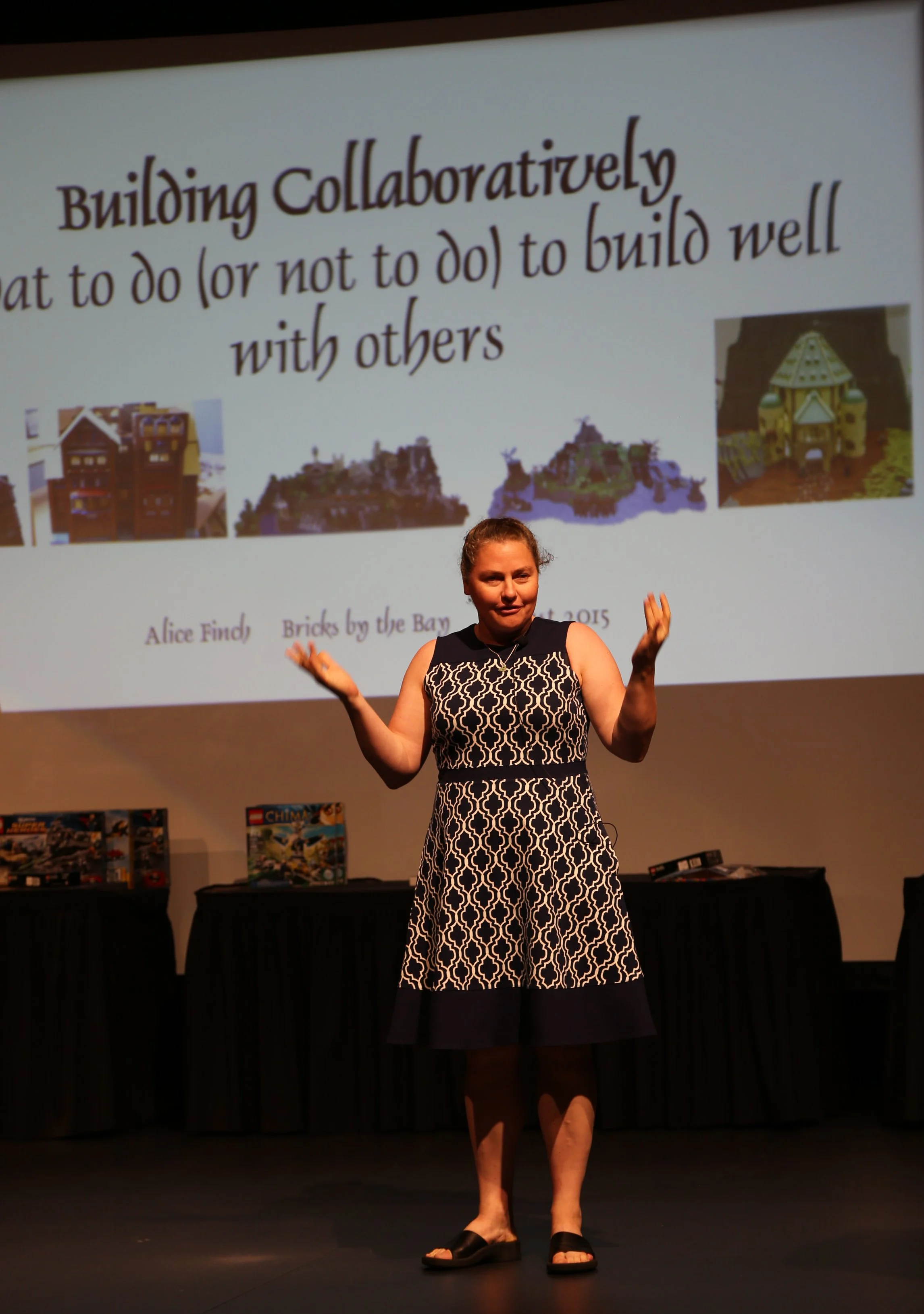
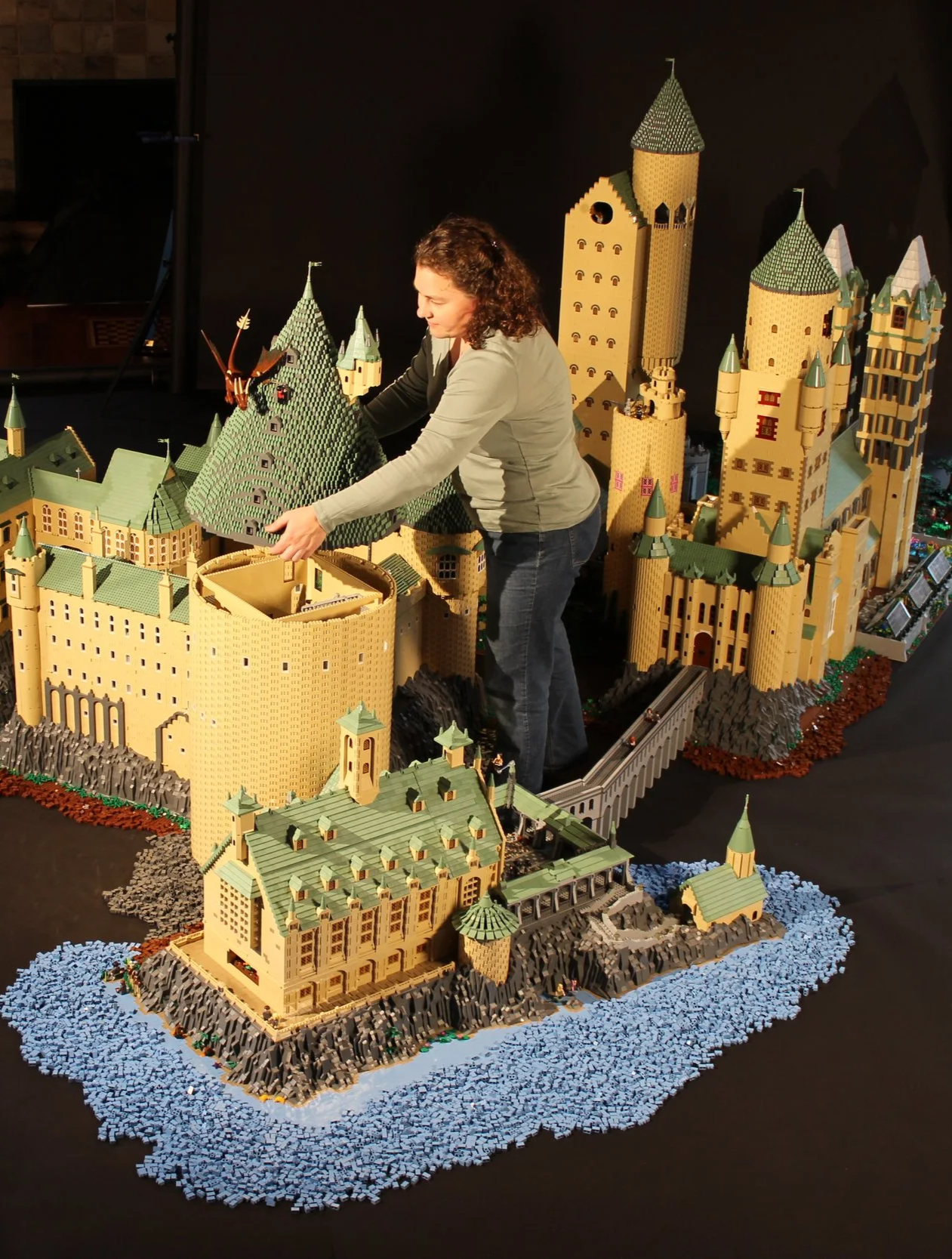
But of course, the Great Hall wasn’t really complete without the kitchens underneath it, and the courtyard, and I really ought to build the stairs to the boathouse as well… Fast forward a year, and I had planned and constructed a scale model of the entire castle grounds, including the Quidditch Pitch. Along the way, my goal had changed from simply recreating a building to creating a detailed setting for my kids to tell stories and act out adventures. I found my stride as a designer, builder, and creator of brick architecture, and, after months of working late into the night I had enough to display at a local exhibition.
This event, and the many that followed, were my introduction to the AFOL community, but also to an unexpected and generally overlooked audience of women and girls who were amazed and inspired by seeing a woman artist and her work winning awards and garnering international press attention.
On many occasions people were visibly surprised that a woman had built such a substantial project– particularly a woman working solo. The look of incredulity, the dropped jaw, the silent pause before the observer could think of what to say... To a large fraction of the AFOL community, the most incredible thing about my model was not the artistic skill nor the time and care I had put into crafting it, but the fact that I—a woman—had been the one to build it.
At the same time, however, there was an overwhelming positive response from the women and girls I spoke to at conventions, and appreciation and gratitude for my courage in displaying my artwork and challenging the image of the LEGO artist and hobbyist as the exclusive domain of men.
My first foray into the world of LEGO art and design had shown me both the difference that one person can make in inspiring the next generation of designers, and that the LEGO community had a long way to go before it would be a truly safe and inclusive space for them. So, I set out to change that.
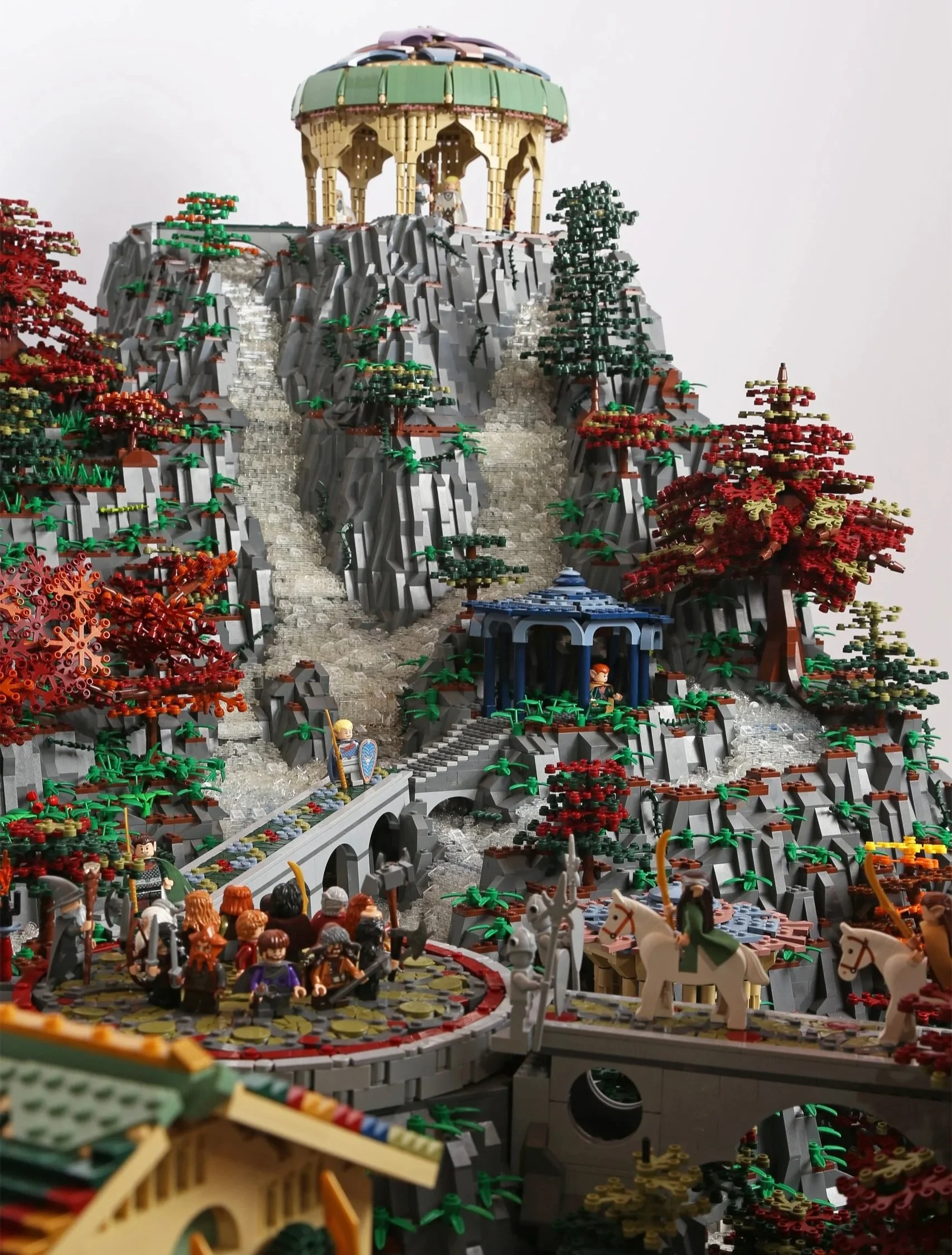
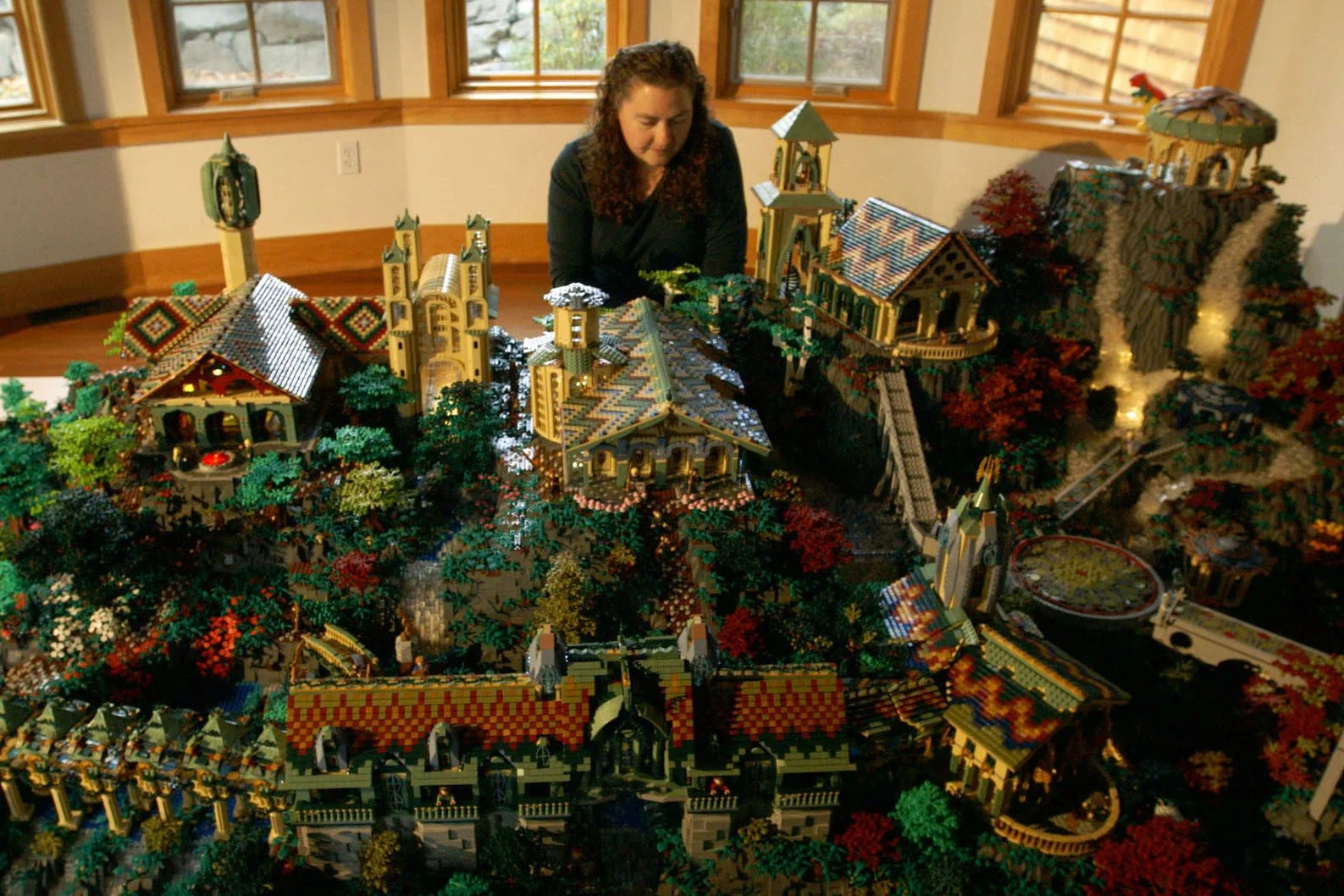
My next undertaking was a model of Rivendell, a collaboration with my good friend and fellow Tolkien fan, David Frank. The complex landscape and architecture challenged my design skills, pushing the limits of the brick with its combinations of curves, flowing water, trees, and elevation—all seamlessly integrated with the natural shapes of elven architecture. Designed as an artistic exhibition model, Rivendell is fully lit and designed to highlight scenes from the books and films.
As my first collaborative model, it also impressed on me the benefits of working with others towards a shared artistic goal. David and I both learned from each other’s techniques and styles, and we emerged from the project better builders for it.
Rivendell was positively received by the wider world—it won numerous awards and was one of the reasons I was asked to feature in the documentary film A LEGO Brickumentary. The directors chose to recognize me not just as an artist but as a pioneering female designer, builder, and advocate—according to the film’s Wikipedia entry, I am the only woman in the cast.
Alice’s LEGO Journey
We don’t always know when an important moment is happening until later when, with the benefit of hindsight, we can look back and ponder: when did this all start?
And if I had to choose just one moment to be the catalyst for this amazing journey, it was when I realized my house needed a bigger LEGO space. I was designing and creating with my young son who was eager to build places to narrate adventures for himself and his minifig characters, places that were more detailed than either of our design or building skills could match–yet.
These were the days before I knew how to purchase specific bricks in quantity, when the limitations of whatever bricks I had on hand fostered an intense curiosity about how to use them for creative expression.
It was while trying to create a replica of the great hall from Hogwarts Castle that I challenged myself to design and build my first MOC. The sets that were available at the time were shells of simplified rooms and not accurate to the movie set or its real life inspiration—the dining hall at Christ Church College in Oxford, which I happened to be familiar with. I wanted to create an accurate, detailed, playable, complete piece of architecture, and so I did.
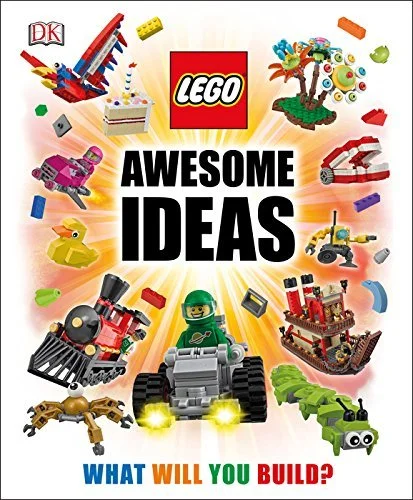
My work was also getting attention from the senior executives at the LEGO Group, who recommended me to Dorling Kindersley as a model designer for their line of LEGO books—the first designer to be recruited outside of Europe.
In my personal artistic career, I continued to pursue collaborations with other talented artists, including a project with author and illustrator David Petersen that resulted in a 32’ long model of the world of Mouse Guard and an accompanying published book—Mouse Guard: Art of Bricks—that featured the work of all 16 contributors.
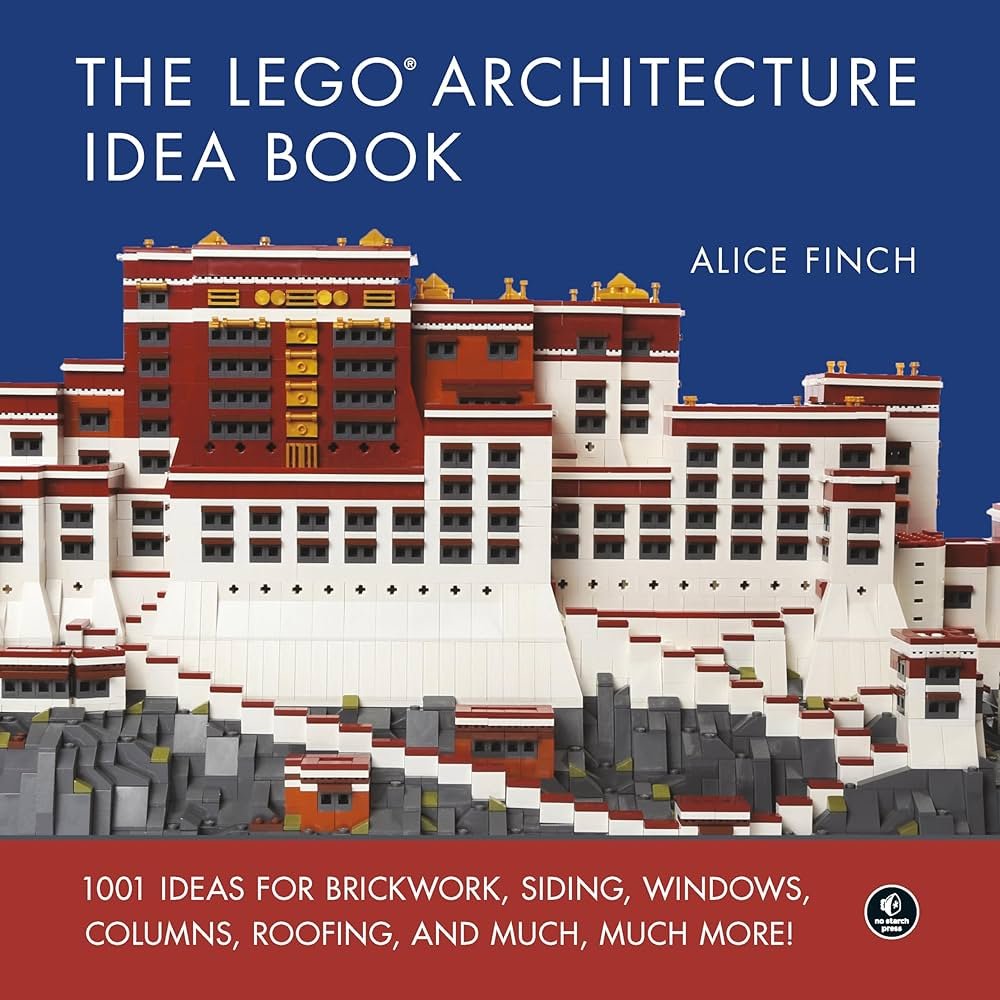
I was also invited to publish my own book, The LEGO Architecture Idea Book, which was recently translated into German and Chinese. All of these projects further developed my skills and techniques, and I became accustomed with working to professional standards in project design, execution, and presentation.
Also at this time, I co-founded the Women’s Brick Initiative (WBI), a non-judgmental, inclusive, and empowerment-focused community that organizes workshops and events worldwide to support women (and other historically underrepresented populations) as they enter and explore the LEGO ecosystem.
Much like any collaborative build, constructing a community begins with like-minded individuals and a common goal—I already knew many people with diverse skill sets and life and LEGO experiences who existed in isolated pockets, and I was determined to find ways to bring them together. Adapting to the pandemic, and working to recognize and combat bias through education and outreach was both challenging and fulfilling. I was intent on creating spaces in person and online where a community of like minded creative people could exist and thrive, so that female LEGO artists and hobbyists around the world would know that they are not alone. I have been told that the thoughtful discussions and the skill and technique experiences in a WBI workshop are the primary reason some people attend conventions. And, while there is still much work to be done, I am proud to say that the LEGO community has come a long way from the days when the most common question I was asked at conventions was “Where is your husband?”
The cumulative effect of this work is a significant increase in the number of women participating in LUGs, displaying their creations, purchasing sets to build themselves, and importantly, perceiving themselves as designers and builders. The inclusivity, diversity, and sense of belonging in this landscape have expanded and continue to change, and the WBI—now under the umbrella of the Brick Alliance—has grown and evolved alongside it. If clutch is one of LEGO’s superpowers, then I firmly believe that clutch can hold more than bricks together.
My work has also expanded into schools and community centers, where I developed a holistic arts curriculum that integrates LEGO artwork with traditional art and other subjects such as science, environmental studies, and social justice. Combining my background as an award-winning educator, parent, designer, collaborator, and community builder and my skills as a LEGO Serious Play facilitator, this project has inspired innovative collaborative projects with thousands of students of all ages.
These projects require a unique combination of skills, access to large-scale resources, and project management experience to coordinate their many facets. In the past, I have coordinated school district-wide mosaic projects to celebrate community leaders in diversity, as well as exhibitions in public and private art galleries that recognized and celebrated the community impact of this kind of art.
I agree with the LEGO Group's brand statement that “by celebrating differences, through our culture of authenticity, inclusion and energizing play, we create a unique sense of belonging.” These goals, along with the recognition of being a LEGO Certified Professional, will allow me to create meaningful, positive, and lasting interactions with the brick through community collaboration.